cmms mobile apps rollout plan for web based cmms
Why CMMS Deployments Often Break Down for Field
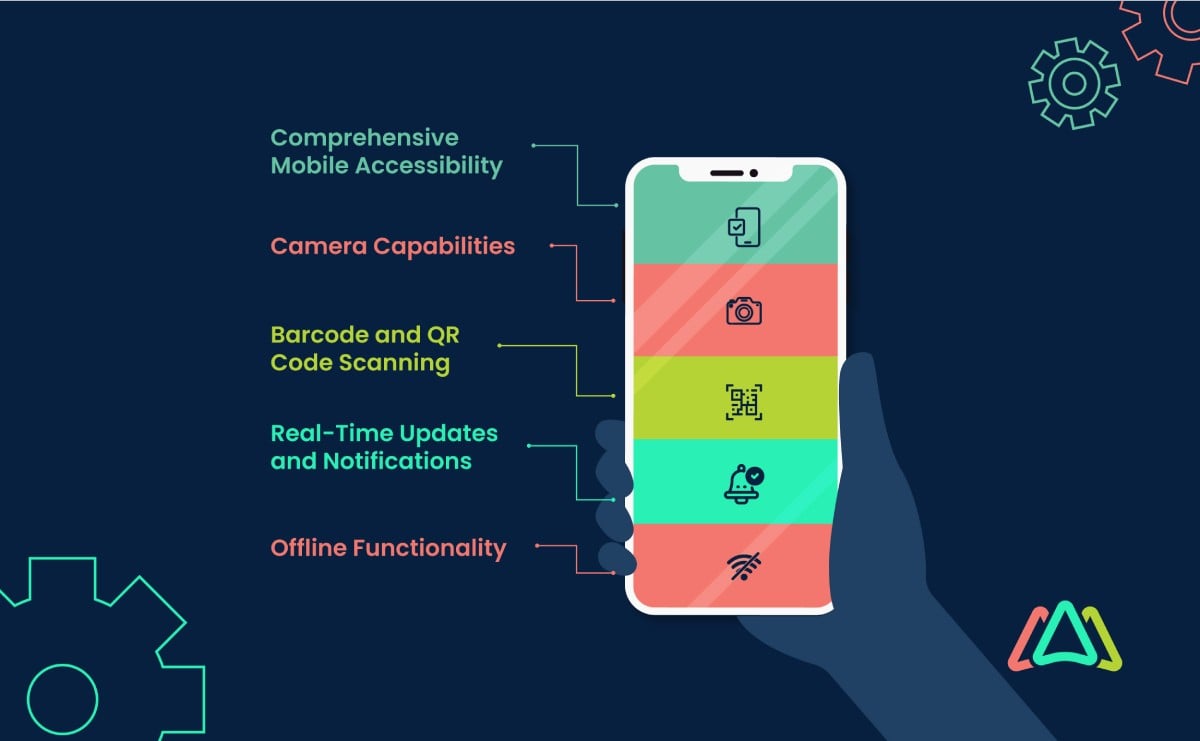
Many industrial teams purchase cmms mobile apps expecting instant gains in speed and accuracy. Yet the rollout stalls. Work orders, status updates, and service history never align with how technicians actually move through a site. The mismatch shows up as incomplete records, missed preventive tasks, and repeated trips for missing parts. This article focuses on the exact sequence of decisions. It turns a generic license into a working system crews use every shift. The primary keyphrase appears here to match real searches for cmms mobile apps.
The ideal rollout sequence for cmms mobile apps takes eight to ten weeks. Teams follow a documented workflow map and test every step on actual devices. Shorter timelines usually skip data field rules or offline handling. This later forces manual corrections. A clear plan prevents those gaps.
Practical Steps to Roll Out cmms mobile
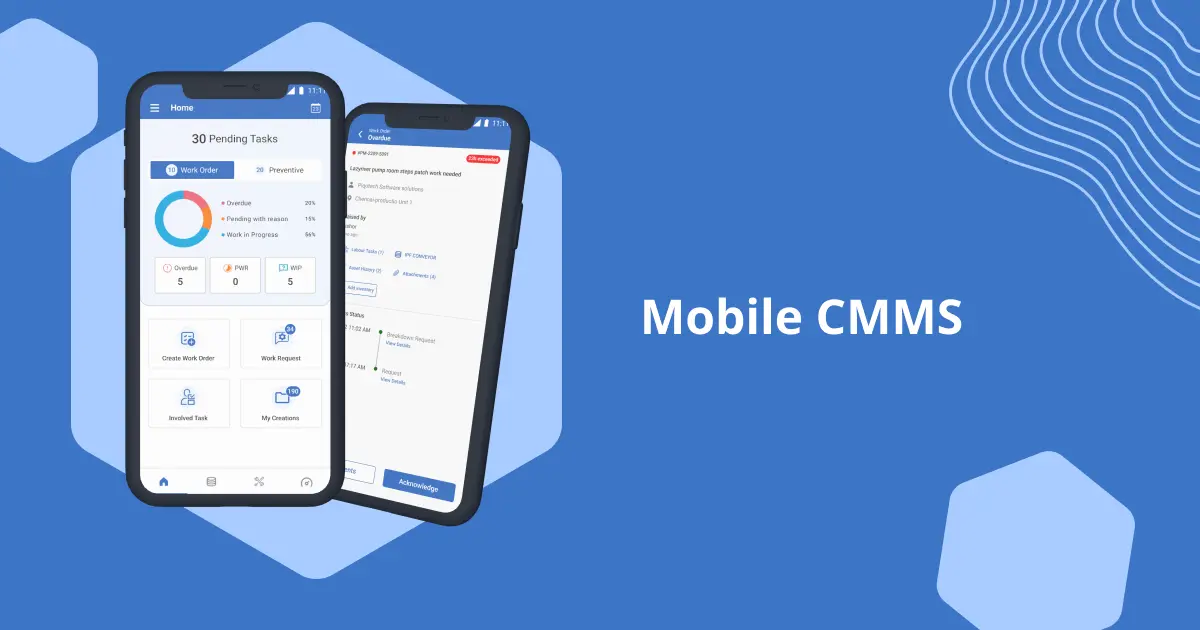
These eight steps produce measurable outputs at each stage. Follow them in order. You will have a traceable path from request intake to closed work order that matches field reality.
-
Define the field workflow map from request to close
Start by listing every touchpoint a technician encounters on site. Capture the moment a work request arrives. See how it becomes a scheduled task. Note the data collected during execution. Record the exact fields required before the job can close. Output a one-page diagram that operations, supervisors, and IT all sign. Without this map, later configuration choices rest on assumptions rather than observed behavior. Crews revert to paper notes within weeks.
-
Choose the mobile experience model
Decide between a dedicated cmms mobile apps installation or a responsive web based cmms accessed through the device browser. Native apps usually handle camera integration and offline queues more reliably. Web versions reduce device management overhead. Test both on the actual phones or tablets used in the field for at least three days. Document which model keeps the full work order lifecycle intact without extra logins or data re-entry.
-
Configure asset and work order data fields
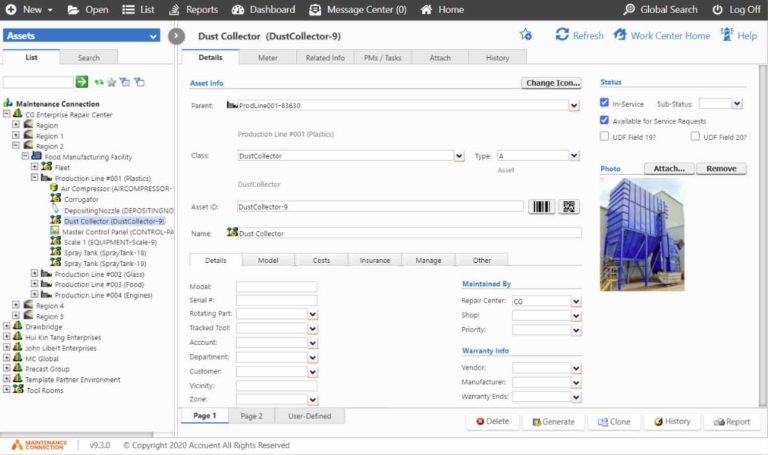
Limit required fields to those that directly affect safety, cost, or compliance. Typical choices include asset ID, failure code, labor hours, and a photo of the repaired component. Remove free-text boxes that duplicate dropdown selections. The resulting form should fit on one screen without scrolling on a standard Android device. Export the field list and have two senior technicians confirm it matches their daily routine before moving forward. A deeper treatment of this step lives at learn more for teams that need it. A closely related walkthrough, cmms android app: what to validate before buying, picks up where this section ends. A closely related walkthrough, Recover maintenance history from paper logs to cmms programs, picks up where this section ends. For the adjacent problem, CMMS application or cmms app: how to choose between web based, open… goes deeper into the specifics. A closely related walkthrough, Which Cmms Software List Fits Your Maintenance Team?, picks up where this section ends. The follow-up piece Which CMMS Fits Your Hotel Maintenance App? covers this in more practical detail. This pairs well with Web based preventive maintenance software vs Maximo-ready or…, which works through concrete examples.
-
Set up task templates for preventive work orders
Build templates that list the exact sequence of checks for each asset class. Include torque values, temperature thresholds, and part numbers drawn from manufacturer manuals. Attach the template to the asset record so it appears automatically when the preventive schedule triggers. Run a sample set of twenty templates through the mobile view. Verify that every step displays correctly. Confirm that completion checkboxes update the work order status without extra taps.
-
Build parts and material capture rules
Define which inventory items must be scanned or selected at job close and which can be entered later. Set minimum stock alerts that fire when a part count drops below the reorder point. Test the flow by completing a work order that consumes three different parts. Confirm the quantities reduce in the central inventory view within five minutes. This step prevents the common problem of stock discrepancies that appear weeks after the rollout.
-
Configure job status transitions and approval rules
Map every possible status change. Decide who can move a job from “in progress” to “awaiting parts” or “completed.” Require supervisor approval only for jobs above a set labor-hour threshold. Export the transition table and load it into the training materials. Every technician sees the exact buttons available on their device. Clear rules reduce the number of jobs that linger in limbo and improve the accuracy of backlog reports.
-
Create an offline and coverage policy
Document what happens when signal drops in basements, remote yards, or during shift changes. Most cmms mobile apps cache data locally, but you must set the sync interval and the maximum cache size. Schedule a daily forced sync at shift end. Provide a one-page card that tells crews how to force a manual sync if the automatic process stalls. Test the policy by walking a full route with airplane mode enabled. Verify that all captured data uploads cleanly once coverage returns.
-
Train with a verification checklist and run a two-week pilot
Give every technician a printed checklist that covers login, work order selection, data entry, photo capture, parts logging, and final sync. Run the pilot on a single asset class or building wing for fourteen days. At the end of each shift, compare the mobile records against a quick visual inspection of the completed work. Adjust field rules or templates based on the mismatches found. Only after the pilot shows 95 percent record accuracy should the rollout expand to the remaining crews.
Common Pitfalls That Undermine cmms mobile apps
- After-the-fact edits: ❌ Technicians complete jobs then return to the office to fix records. ✅ All data entry happens at the asset before the technician leaves the location.
- Too many free-text fields: ❌ Forms contain open comment boxes that replace structured codes. ✅ Every critical data point uses dropdowns or barcode scans that feed directly into reports.
- Skipping preventive validation: ❌ Templates are loaded without testing on actual devices. ✅ Each template runs through the mobile view on the same hardware used in the field.
- Mismatched device flows: ❌ Status buttons do not match the real sequence of work. ✅ The transition table is printed and taped inside every technician’s toolbox during the pilot.
- Asset hierarchy errors: ❌ Equipment records sit in flat lists. ✅ Parent-child relationships are verified by walking the floor and scanning every asset tag before go-live.
Fixing these issues early ensures cmms mobile apps stay reliable and prevents the slow drift back to disconnected spreadsheets.
Checklist for a Completed Rollout
When the pilot ends and crews use the system without reminders, the rollout is finished. Every work order carries complete data, parts are deducted automatically, and offline periods no longer create backlogs. Supervisors can open any asset and see the last three completed tasks with photos and signatures attached. At that point the system supports accurate planning instead of constant cleanup.
Request a live demo that walks through the exact eight steps above on your own devices. The session will show how the configured workflow behaves when a technician loses signal mid-job. It shows how the approval rules prevent incomplete records from closing. That single session confirms whether the plan matches the way your crews actually work.
Frequently Asked Questions
How long does the full rollout usually
take?
Most teams finish the eight steps in eight to ten weeks. They run the pilot on one asset class first. The pilot itself lasts two weeks. The remaining time covers configuration, training, and one round of adjustments based on real field data. Rushing past the pilot almost always produces incomplete records that require later cleanup.
What device specifications work best with cmms mobile
apps?
Current Android devices running version 10 or higher with at least 4 GB of RAM handle the typical workload without lag. Screen size should be at least 5.5 inches. Forms remain readable without constant zooming. Rugged cases and screen protectors extend device life in industrial settings. The software itself runs on standard commercial phones once the offline policy is set.
Can
Related Topics
- CMMS application or cmms app: how to choose between web based, open source, and vendor platforms
- Oracle Fusion Maintenance Cloud vs schooldude maintenance direct app for asset tracking workflows
- Maintenance management for mining operations: choosing a software fit for harsh environments
- CMMS on Android for field crews: when mobile maintenance fails and what to fix
- Maintenance Request System Checklist for Mobile Field Crews: What to Capture at Intake
{“name”:”CMMS mobile for field crews: a practical rollout plan for web based and mobile cmms”,”step”:[{“name”:”Define the field workflow map from request to close Start by listing every touch”,”text”:”Define the field workflow map from request to close Start by listing every touchpoint a technician encounters on site. Capture the moment a work request arrives. See how it becomes a scheduled task. Note the data collected during execution. Record the exact fields required before the job can close. Output a one-page diagram that operations, supervisors, and IT all sign. Without this map, later configuration choices rest on assumptions rather than observed behavior. Crews revert to paper notes within weeks.”,”@type”:”HowToStep”,”position”:1},{“name”:”Choose the mobile experience model Decide between a dedicated cmms mobile apps i”,”text”:”Choose the mobile experience model Decide between a dedicated cmms mobile apps installation or a responsive web based cmms accessed through the device browser. Native apps usually handle camera integration and offline queues more reliably. Web versions reduce device management overhead. Test both on the actual phones or tablets used in the field for at least three days. Document which model keeps the full work order lifecycle intact without extra logins or data re-entry.”,”@type”:”HowToStep”,”position”:2},{“name”:”Configure asset and work order data fields Limit required fields to those that d”,”text”:”Configure asset and work order data fields Limit required fields to those that directly affect safety, cost, or compliance. Typical choices include asset ID, failure code, labor hours, and a photo of the repaired component. Remove free-text boxes that duplicate dropdown selections. The resulting form should fit on one screen without scrolling on a standard Android device. Export the field list and have two senior technicians confirm it matches their daily routine before moving forward. A deeper treatment of this step lives at learn more for teams that need it.”,”@type”:”HowToStep”,”position”:3},{“name”:”Set up task templates for preventive work orders Build templates that list the e”,”text”:”Set up task templates for preventive work orders Build templates that list the exact sequence of checks for each asset class. Include torque values, temperature thresholds, and part numbers drawn from manufacturer manuals. Attach the template to the asset record so it appears automatically when the preventive schedule triggers. Run a sample set of twenty templates through the mobile view. Verify that every step displays correctly. Confirm that completion checkboxes update the work order status without extra taps.”,”@type”:”HowToStep”,”position”:4},{“name”:”Build parts and material capture rules Define which inventory items must be scan”,”text”:”Build parts and material capture rules Define which inventory items must be scanned or selected at job close and which can be entered later. Set minimum stock alerts that fire when a part count drops below the reorder point. Test the flow by completing a work order that consumes three different parts. Confirm the quantities reduce in the central inventory view within five minutes. This step prevents the common problem of stock discrepancies that appear weeks after the rollout.”,”@type”:”HowToStep”,”position”:5},{“name”:”Configure job status transitions and approval rules Map every possible status ch”,”text”:”Configure job status transitions and approval rules Map every possible status change. Decide who can move a job from “in progress” to “awaiting parts” or “completed.” Require supervisor approval only for jobs above a set labor-hour threshold. Export the transition table and load it into the training materials. Every technician sees the exact buttons available on their device. Clear rules reduce the number of jobs that linger in limbo and improve the accuracy of backlog reports.”,”@type”:”HowToStep”,”position”:6},{“name”:”Create an offline and coverage policy Document what happens when signal drops in”,”text”:”Create an offline and coverage policy Document what happens when signal drops in basements, remote yards, or during shift changes. Most cmms mobile apps cache data locally, but you must set the sync interval and the maximum cache size. Schedule a daily forced sync at shift end. Provide a one-page card that tells crews how to force a manual sync if the automatic process stalls. Test the policy by walking a full route with airplane mode enabled. Verify that all captured data uploads cleanly once coverage returns.”,”@type”:”HowToStep”,”position”:7},{“name”:”Train with a verification checklist and run a two-week pilot Give every technici”,”text”:”Train with a verification checklist and run a two-week pilot Give every technician a printed checklist that covers login, work order selection, data entry, photo capture, parts logging, and final sync. Run the pilot on a single asset class or building wing for fourteen days. At the end of each shift, compare the mobile records against a quick visual inspection of the completed work. Adjust field rules or templates based on the mismatches found. Only after the pilot shows 95 percent record accuracy should the rollout expand to the remaining crews.”,”@type”:”HowToStep”,”position”:8}],”@type”:”HowTo”,”@context”:”https://schema.org”}