Maximo maintenance versus SAP plant maintenance: where each fits a mixed maintenance landscape
Sap Plant Maintenance
Navigating Maintenance Software Choices for Mixed Operations

Teams that already run IBM Maximo often face pressure. They must align more processes inside their existing SAP ERP footprint. The question becomes how much of the daily maintenance workload should stay in a dedicated CMMS. How much should move into sap plant maintenance? This mapping shows where each tool handles work orders. It shows asset structures. It shows mobile execution. It shows long-term support. It does so without forcing an all-or-nothing decision.
The ideal choice depends on whether your plant already lives inside SAP for finance and production. It depends on whether Maximo already owns the asset history. Many sites keep both systems live. They route different work types to each. The following sections lay out the concrete differences. Operations leaders can decide what stays and what moves.
SAP plant maintenance fits best when the company wants a single source of truth for finance, materials, and maintenance. Maximo-style platforms fit better when the priority is deep reliability analytics. They fit better when the priority is flexible mobile workflows that do not need to touch the ERP layer every hour.
Weighing the Options
Work order lifecycle in SAP plant maintenance follows the standard notification, order, and completion steps. These steps already exist inside the ERP. Maximo-style CMMS lets planners build more granular job plans. It lets them route sheets before the order reaches the floor. Both systems track labor and materials. Yet SAP updates inventory and costs in real time. Maximo often requires an interface to push those numbers back.
| Feature | SAP plant maintenance | Maximo-style CMMS |
|---|---|---|
| Work order lifecycle | Notification created in PM module, order released through production planning, costs settle directly to cost centers | Job plan created first, work order generated with multiple tasks, labor and materials captured on mobile before close-out |
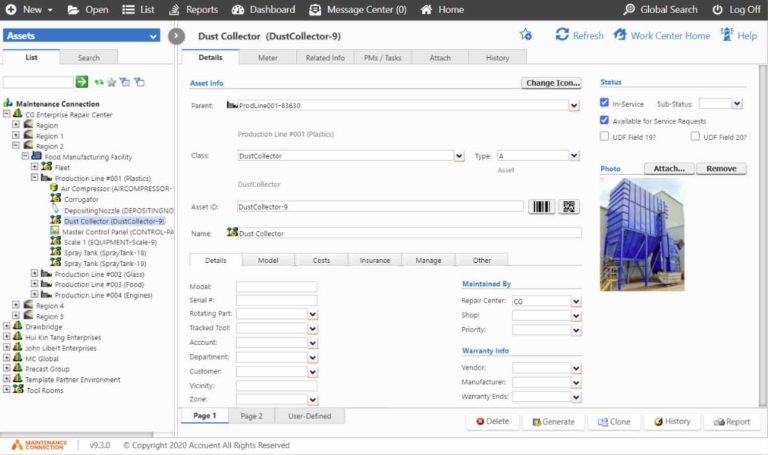
| Asset and location structure | Functional locations and equipment records live in the same master data as finance and production | Asset hierarchy built around reliability data, failure codes, and meter readings that feed predictive models |
| Breakdown maintenance in SAP PM | Emergency order created from notification, materials pulled from warehouse, confirmation posted same day | Quick work order with pre-loaded parts list, failure reporting captured at close, work history stored for later analysis |
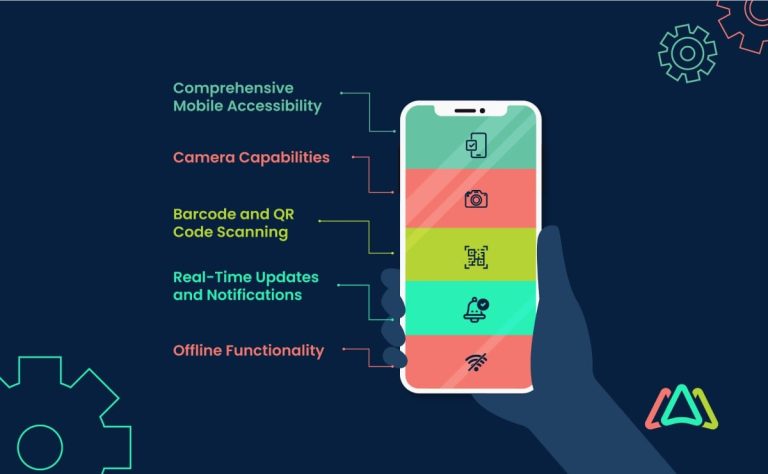
| Mobile execution for SAP plant maintenance | Fiori apps or third-party mobile clients allow technicians to receive and confirm orders on phones or tablets | Native mobile apps support offline work, barcode scanning, and photo attachments that sync when connection returns |
| Fiori coverage for plant maintenance | Standard apps cover notifications, orders, time confirmation, and material issue with role-based tiles | Custom dashboards often required to match the same level of detail inside the ERP |
| Integration fit for SAP ERP maintenance | Native connection to MM, PP, FI, and QM modules with no middleware needed for most transactions | Requires middleware or file-based interfaces to keep material reservations and cost postings current |
| Ongoing upkeep under sap application maintenance support | Support handled through existing SAP basis team and annual maintenance contract | Separate support contract for the CMMS, often with its own upgrade and patch cycle |
Asset structures inside SAP plant maintenance already match the functional locations used by production planning. That alignment removes duplicate entry when a new pump is installed. Maximo-style systems let reliability teams add failure codes. They let them add meter points that do not exist in the ERP master data. The choice here often comes down to whether finance or reliability owns the asset record. For the adjacent problem, Extending SAP for plant workflows past sap end of mainstream… goes deeper into the specifics. The follow-up piece who owns plant maintenance in sap application maintenance and support covers this in more practical detail.
Breakdown maintenance in SAP PM stays inside the same order type used for planned work. This simplifies reporting for accountants. Maximo lets technicians open a quick work order from the mobile app. It lets them attach photos of the failed part before they leave the site. Both approaches close the loop. Yet the data depth differs once the order reaches history.
Mobile execution for SAP plant maintenance now runs through Fiori apps that many plants already license. Technicians can confirm time and issue parts without leaving the ERP session. Maximo-style mobile apps still lead when the crew works in areas with poor signal. The native client stores everything offline and syncs later. The gap narrows each year as SAP improves its mobile options.
Fiori coverage for plant maintenance gives planners role-based tiles for notifications and orders. Additional apps handle measurement readings and permit issuance. Maximo dashboards often require extra configuration to reach the same level of detail. This is especially true when the site already pays for SAP licenses. The deciding factor is usually how many users already sit inside the ERP every day.
Integration fit for SAP ERP maintenance remains the strongest argument for keeping work inside SAP plant maintenance. Material reservations update inventory immediately. Costs flow to the correct cost center without extra steps. Maximo requires scheduled interfaces or middleware to keep those same records current. This adds latency and support overhead.
Ongoing upkeep under sap application maintenance support stays inside the same contract that covers the rest of the ERP. The basis team already manages patches and security notes. Maximo-style platforms need a separate support agreement. They need their own upgrade schedule. This can create timing conflicts when both systems must stay current.
The Good and the Bad

| Area | SAP plant maintenance advantages | SAP plant maintenance drawbacks | Maximo-style advantages | Maximo-style drawbacks |
|---|---|---|---|---|
| Mobile plant execution | Fiori apps already licensed for most users, no extra per-device fees | Offline capability still limited compared with dedicated CMMS clients | Strong offline support and barcode workflows on the floor | Extra license and interface costs to keep data in sync with ERP |
| Reporting handoffs | Costs and inventory move in real time to finance and production modules | Reliability metrics require custom queries or BW reports | Built-in failure codes and meter history feed predictive models directly | Cost and material data must travel through interfaces before month-end close |
| Operational ownership | Single owner for master data, materials, and maintenance reduces handoff errors | Changes to maintenance processes must go through the central SAP change board | Reliability team controls its own data model and analytics | Duplicate asset records appear when the same pump exists in both systems |
Many plants accept the mobile limitations inside SAP plant maintenance. The finance benefits outweigh the extra clicks on a tablet. Others keep Maximo for the mobile layer. They push only the cost data back to SAP at the end of each shift. The split works when the interface is stable. The two teams agree on which system owns the official asset record.
Reporting handoffs create the most friction in mixed landscapes. SAP plant maintenance gives finance clean numbers every night. Maximo gives the reliability engineer richer failure history. Sites that try to run both without a clear data owner end up reconciling the same work order twice at month end.
Operational ownership usually decides the long-term winner. When the maintenance manager already reports into the SAP center of excellence, SAP plant maintenance tends to win. When the reliability team sits outside that structure and owns its own budget, Maximo keeps more of the work order flow.
Choosing the Right Fit for Your Operations
SAP plant maintenance should own the process when the plant already runs production, materials, and finance inside SAP. The goal is to reduce interface risk. A Maximo-style layer should stay when the reliability team needs deeper failure analysis. It should stay when the team needs mobile execution that works without constant ERP calls. Most mixed sites end up with SAP plant maintenance handling planned work and cost settlement. Maximo keeps the detailed job plans and mobile history for critical assets.
Before any rollout, review the full scope of sap application maintenance and support contracts on both sides. Confirm that the mobile app maintenance path you choose matches the signal conditions on the floor. It must match the skill level of the technicians who will use it every shift. That single check prevents the most common source of later rework.
Related subtopics: mobile app maintenance, equipment maintenance tracking app, fleet maintenance records, online maintenance request system, equipment maintenance app
Related Topics
- SAP application maintenance support scope: who owns what for plant maintenance app reliability
- Build the SAP plant maintenance Fiori and mobile rollout plan without breaking breakdown maintenance in SAP PM
- Extending SAP maintenance for plant workflows: what changes after mainstream support ends
- Maintenance management for mining operations: choosing a software fit for harsh environments
- CMMS on Android for field crews: when mobile maintenance fails and what to fix