What app maintenance costs actually include for commercial software teams
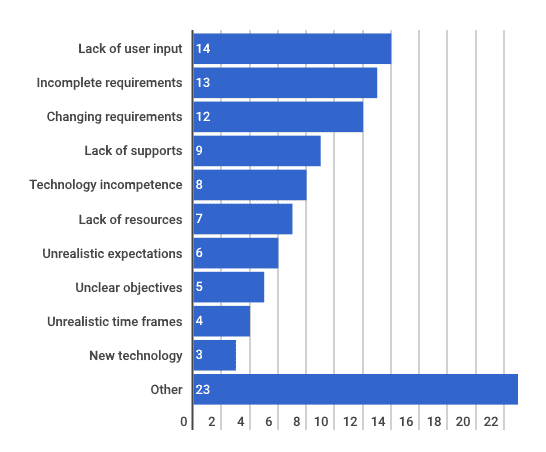
Maintenance quote scope breakdown
Product owners, IT managers, and procurement leads often receive vendor quotes. These quotes list a single monthly figure for app maintenance costs. They do not show what sits inside that number. The real value comes from understanding the exact scope. Do not chase the lowest price. When proposals leave out details, teams discover surprise fees later. Details may cover incident handling, security patches, or backend work. These gaps disrupt operations. For instance, a mid-sized logistics company once signed a contract. The contract used a seemingly competitive rate. The company then faced additional charges. The charges covered after-hours database tuning. That work had not been outlined upfront. This kind of oversight can quickly erode the perceived savings. It can create tension between internal stakeholders and the service provider.
Clear scope definitions let buyers compare offers side by side. They avoid mismatched expectations once the contract begins. This article breaks down the typical components. These components drive app maintenance costs. Decision makers can request precise bids. They can measure results against concrete deliverables. Teams that invest time in clarifying these elements early often report smoother renewals. They also report fewer escalations. Everyone operates from the same baseline of expectations. Adding internal review cycles before signing further reduces the risk. The risk involves hidden clauses. These clauses only surface during high-pressure incidents.
The average application maintenance service contract now runs between 15 and 25 percent of the original development budget each year. This follows industry benchmarks. The benchmarks are tracked by established IT research groups. Knowing which activities fall under that percentage helps organizations allocate internal resources more accurately. It prevents scope creep during renewals. Procurement teams can use this benchmark as a negotiation anchor. They can ask vendors to justify any figure. The figure falls significantly outside the range. Justification uses detailed activity breakdowns. In practice, companies that track their own historical spend against these percentages uncover opportunities. They can reallocate budget toward proactive measures. Examples include performance tuning instead of reactive firefighting.
How App Maintenance Costs Works
App maintenance costs cover a defined set of ongoing activities. These activities keep commercial software stable, secure, and aligned with business needs. These activities fall into five main areas. The areas together determine the monthly or annual price. Buyers who map each area to specific deliverables gain better control. They control both spending and service levels. When organizations treat app maintenance costs as a strategic investment rather than a necessary expense, they often see measurable improvements. Improvements appear in system uptime and user satisfaction scores. Mapping the five areas also creates a shared language. The language exists between technical teams and finance departments. It makes budget discussions more productive throughout the year.
Service coverage inside application maintenance and support
incidents, problem management, and SLA response times
Incident handling forms the core of most application maintenance and support agreements. Teams log issues through a ticketing system. Providers classify them by severity before assigning resources. Response times are usually stated in service level agreements. These times range from fifteen minutes for critical outages to four hours for minor bugs. Problem management goes further. It identifies root causes. The same issue does not repeat. In one documented case, a retail chain reduced repeat incidents by 45 percent. The provider implemented structured problem management reviews. The reviews linked tickets to underlying configuration drift. This proactive approach not only lowered overall app maintenance costs. It also freed internal developers to focus on new features. They avoided repeated troubleshooting.
Typical deliverables include documented incident logs, root cause reports, and monthly trend summaries. The summaries show how many tickets were closed within SLA windows. These records help internal teams track whether the provider meets the agreed performance levels. Adding trend analysis over multiple quarters reveals patterns. Single-month reports often miss these patterns. Examples include seasonal spikes in user-reported issues. Teams that request raw ticket data alongside summarized reports can perform independent audits. They can spot discrepancies early.
Buyer questions to ask: What severity definitions trigger the fastest response? Does the SLA include after-hours coverage or only business hours? How are recurring incidents escalated beyond the standard queue? Can the provider share anonymized examples of past incident reports? We understand the expected level of detail this way. How are SLA credits calculated and applied when targets are missed?
Real-world examples show that manufacturing firms using enterprise resource planning systems often see 60 percent of incidents resolved in the first tier. Clear escalation paths must exist. Without those paths, simple configuration errors can linger for days. They inflate overall app maintenance costs. One automotive supplier avoided a multi-day production halt. The supplier had pre-approved escalation contacts. These contacts could authorize emergency code changes outside normal change windows. Documenting these contacts in advance prevents valuable time from being lost during actual crises.
Security and compliance work inside IT application maintenance
patching cadence, vulnerability remediation, access reviews
Security tasks inside IT application maintenance protect both the code and the data it handles. Providers apply operating system and library patches on a published schedule. They usually act within thirty days of release for high-severity items. Vulnerability scans run at least monthly. Any findings above a defined risk score must be fixed inside agreed timeframes. Access reviews check that user permissions still match job roles. Regular penetration testing simulations, when included, give teams an additional layer of assurance. External threats are modeled realistically rather than theoretically.
Typical deliverables include patch logs, scan reports with remediation dates, and quarterly access certification lists. These artifacts support audit requirements for standards such as SOC 2 or ISO 27001. Organizations subject to multiple regulatory frameworks often request unified reporting formats. The formats satisfy several auditors simultaneously. This reduces duplicated effort. Storing these artifacts in a centralized, version-controlled repository makes retrieval during surprise audits far less stressful. For the adjacent problem, Mobile app maintenance cost breakdown: releases, fixes, support goes deeper into the specifics. The follow-up piece Set up a fleet vehicle maintenance app that actually captures service… covers this in more practical detail. The follow-up piece CMMS teams ignore equipment maintenance app expectations covers this in more practical detail. The follow-up piece What your mobile software maintenance contract should cover, and what… covers this in more practical detail. A closely related walkthrough, Choosing evolutive maintenance software for enterprise after go-live, picks up where this section ends.
Buyer questions to ask: How many days after a critical patch release does remediation begin? Are third-party libraries included in the scan scope? Who receives the access review results and how quickly must changes be approved? Does the provider maintain a vulnerability backlog that the customer can review at any time? How are zero-day threats communicated outside the regular scan cadence?
Financial services companies that outsource application software maintenance often require evidence of patch completion within seven days. This applies to any internet-facing component. Missing that window can trigger regulatory findings. It can raise total app maintenance costs through added audit work. One bank avoided a potential fine. The bank maintained a documented exception process. The process allowed temporary compensating controls. Full patching required longer coordination across multiple vendors.
Upgrade and evolutive maintenance software scope
feature changes, performance tuning, and dependency upgrades
Evolutive maintenance software covers planned improvements. These keep the application current. This includes minor feature additions requested by users. It also includes performance tuning that reduces load times. Upgrades to underlying frameworks occur before they reach end-of-life. The scope usually excludes entirely new modules. These modules would require separate project funding. Teams that schedule quarterly roadmap reviews with the provider can align these incremental improvements with broader business goals. Goals include entering new markets or supporting additional user segments.
Typical deliverables include release notes for each deployed change, before-and-after performance metrics, and a dependency inventory. The inventory is updated every quarter. These items show how the application evolves without drifting into uncontrolled custom development. Including automated regression test results alongside release notes gives stakeholders confidence. Changes have not introduced hidden side effects in connected systems.
Buyer questions to ask: What volume of change requests is included before extra fees apply? Are framework upgrades treated as maintenance or as separate projects? How is user acceptance testing coordinated for each release? Can we receive early notification when a dependency approaches end-of-life? We can plan budget cycles accordingly.
Retail platforms that run seasonal promotions commonly budget for two performance tuning cycles per year inside their app maintenance costs. Each cycle targets checkout page load times. It can reduce cart abandonment by measurable percentages when completed on schedule. One e-commerce operator tracked a 12 percent drop in mobile abandonment. The drop followed targeted caching changes identified during these cycles. Maintenance work links directly to revenue protection.
Backend maintenance responsibilities
databases, APIs, middleware, monitoring, and infrastructure touchpoints
Backend maintenance keeps the supporting layers healthy. Database administrators index tables, archive old records, and verify backup integrity on a weekly schedule. API gateways receive traffic monitoring and rate-limit adjustments. Middleware components such as message queues are checked for message backlog and memory usage. Infrastructure touchpoints include server health dashboards and automated alerts for disk or CPU thresholds. Adding capacity forecasting models that incorporate business growth projections helps teams avoid both over-provisioning and sudden performance cliffs.
Typical deliverables include backup success reports, API latency dashboards updated daily, and monthly capacity forecasts. The forecasts predict when additional resources will be needed. Sharing these forecasts with finance teams allows more accurate accrual of cloud spend. It prevents quarter-end surprises. Integrating monitoring data with internal business intelligence tools creates a single source of truth for operational health.
Buyer questions to ask: Who owns database index recommendations and how quickly are they implemented? Are API usage trends shared in the same dashboard as infrastructure metrics? Does the contract cover cloud cost optimization or only reactive fixes? How are backup restoration tests performed and documented? Can we request ad-hoc infrastructure audits outside the standard reporting cycle?
Logistics firms that rely on real-time tracking APIs often discover that 40 percent of their app maintenance costs trace back to backend monitoring and alerting. They do not trace to front-end changes. Clear ownership of these tasks prevents duplicate tooling purchases. One firm consolidated three separate monitoring platforms into a single provider-managed solution. It reduced both licensing fees and mean time to resolution by centralizing alert triage.
Reporting and governance in app maintenance companies contracts
dashboards, release notes, change approvals, and audit-ready documentation
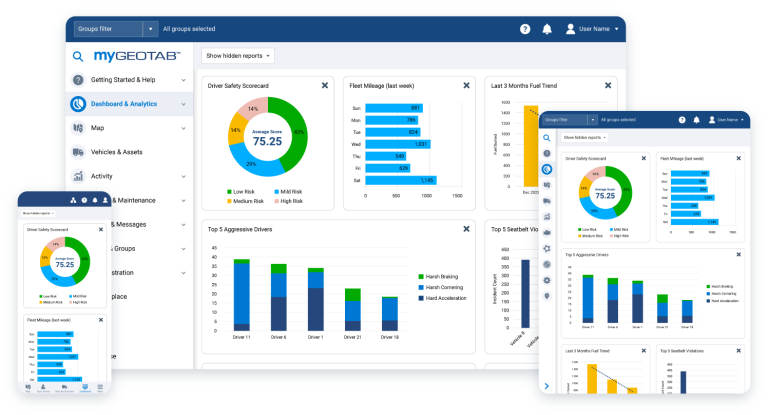
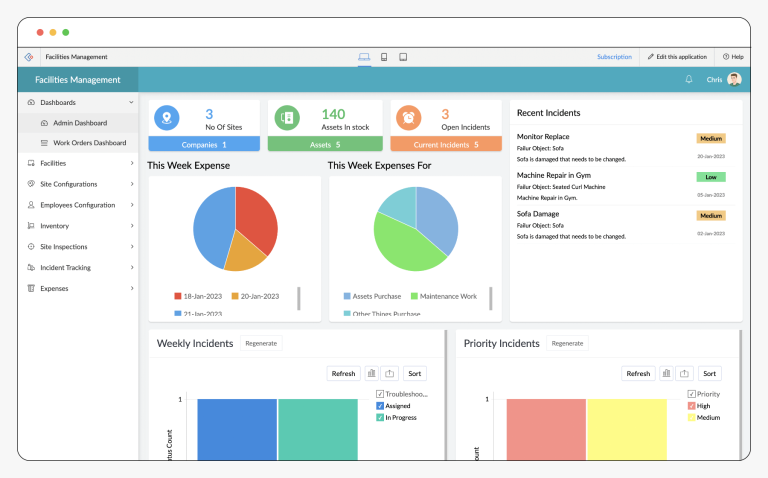
Reporting and governance close the loop between provider and customer. Monthly dashboards display ticket volumes, SLA compliance rates, and open change requests. Release notes list every deployed item with rollback instructions. Change advisory boards review larger modifications before they reach production. Audit-ready documentation packages contain all logs, approvals, and test results in a format that satisfies external reviewers. Establishing a shared document repository with role-based access ensures both parties can retrieve historical records without delays during compliance reviews.
Typical deliverables include a living service catalog, quarterly governance meeting minutes, and an annual compliance binder. The binder can be handed directly to auditors. Maintaining a rolling 24-month archive of these materials supports long-term trend analysis. It simplifies transitions if the organization decides to change providers later.
Buyer questions to ask: How many days after month-end are dashboards finalized? Can the customer add custom report fields without extra cost? Where are change records stored and for how many years? Are governance meeting recordings available for teams that cannot attend live sessions?
Healthcare providers subject to HIPAA audits frequently tie a portion of app maintenance costs to the quality of governance documentation. Incomplete change logs have delayed audit sign-offs by weeks. They increased internal review hours. One hospital system created a standardized checklist. The provider completed the checklist before each governance meeting. It cut preparation time in half while improving audit readiness scores.
Emergency and out-of-hours coverage checks
Check emergency response caps before signing
Many contracts limit the number of severity-one incidents handled at no extra charge. Once that cap is reached, hourly rates apply even during the contract term. Ask for the exact number of critical tickets included. Model worst-case scenarios based on historical incident data. Reviewing the past 18 months of your own incident history gives a realistic picture. The picture shows whether the proposed cap will be sufficient. It also shows whether you need to negotiate a higher threshold.
Confirm out-of-hours coverage limits
Some statements of work restrict after-hours support to specific time zones. They require advance notice for weekend work. Verify whether the quoted app maintenance costs already embed 24-by-7 staffing. An additional retainer may be needed for true round-the-clock response. Testing the escalation process during a low-stakes period, such as a planned maintenance window, reveals whether the promised coverage actually functions as described.
Clarify third-party application maintenance ownership
When the primary application calls external services or libraries, determine whether the provider will troubleshoot issues. Issues may originate in those components. Unclear boundaries often lead to finger-pointing and delayed resolutions. These increase total app maintenance costs over time. Drafting a responsibility matrix that lists each third-party dependency and its owner prevents ambiguity when problems span multiple systems.
Request sample change approval records
Before committing, ask to see redacted examples of past change records. The format and level of detail reveal how much administrative overhead the governance process will actually create for your internal teams. Comparing these samples against your own change management policy highlights any gaps. The gaps would require extra coordination or tooling on your side.
Mapping costs to scope activities
Translating quoted app maintenance costs into measurable scope items requires mapping each dollar to specific activities. Activities cover incident handling, security, upgrades, backend work, and governance. Decision makers who use a buyer checklist to request identical categories from every vendor receive comparable proposals. The proposals reduce later surprises. The result is a contract that supports stable operations instead of generating unexpected invoices. Start by listing the five areas above. Ask each bidder to price them separately. This approach turns a single line item into actionable data. Procurement and operations teams can both defend the data. Over time, organizations that treat app maintenance costs as a living framework rather than a static budget line continue to refine their contracts based on real performance data. They achieve stronger vendor relationships and more predictable operational outcomes.
You May Also Like
- Application maintenance support responsibilities: what buyers should expect in the contract
- Comparing third party application maintenance vs in-house operations
- Mobile software maintenance: a commissioning plan for ongoing releases
- What should a salesforce maintenance schedule cover for recurring jobs and handoffs?
- Mining, food processing, and school maintenance: choosing a maintenance system by constraints