IBM Maximo vs Accruent for Fleet Management System Software
Why Fleet Buyers Compare Maximo and Accruent
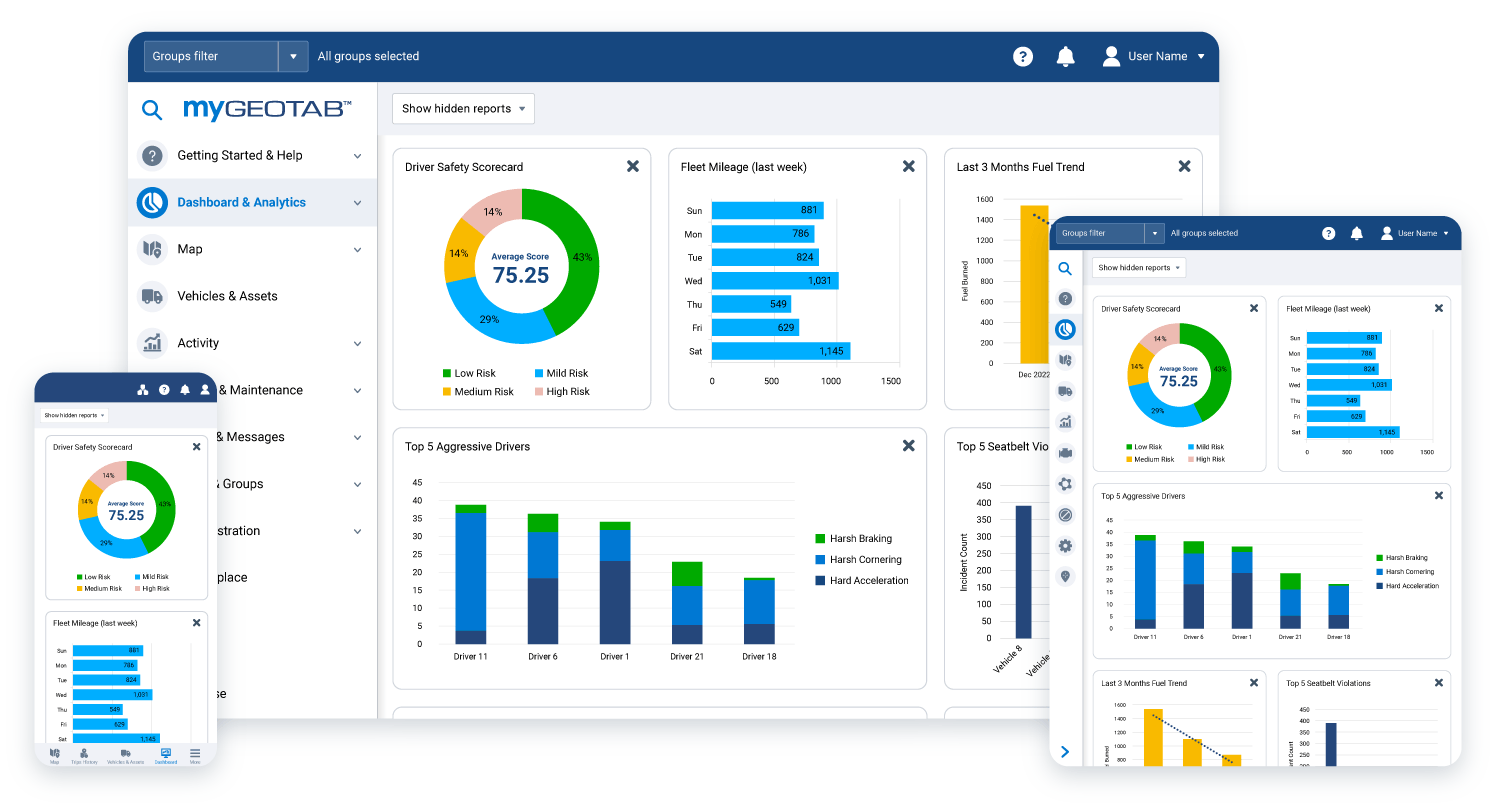
Fleet managers responsible for trucks and mixed assets frequently evaluate IBM Maximo against Accruent. Both platforms promise to replace scattered spreadsheets and paper forms with structured maintenance records. The decision hinges on how well each system tracks service history. It covers vehicles that range from heavy-duty semis to support equipment like forklifts and compressors. Teams also need reliable mobile execution so technicians can log work without returning to a desk. When organizations search for fleet management system software that actually supports daily operations, they look past marketing claims. They focus on practical fit for scheduling, audits, and field data capture. In practice this means testing how each solution handles unexpected breakdowns on long-haul routes. It also means testing integration of meter readings from engines that run 24 hours a day in construction yards.
IBM Maximo tends to appeal to larger fleets that already run complex ERP integrations. Accruent often surfaces in facilities that want tighter real estate and asset linkage. The comparison below breaks down the areas that matter most. The goal is consistent maintenance execution across a mixed fleet. One mid-sized logistics company discovered that switching from paper logs to a structured platform cut audit preparation time from three days to four hours. Every work order carried attached inspection photos and parts receipts. Practical tip: schedule side-by-side sandbox sessions with your own sample data before committing. Configuration choices made early often determine whether daily technician adoption stays high or drops after the first month. Many organizations begin the search by shortlisting proven fleet management system software options that scale across mixed assets.
Weighing the Options
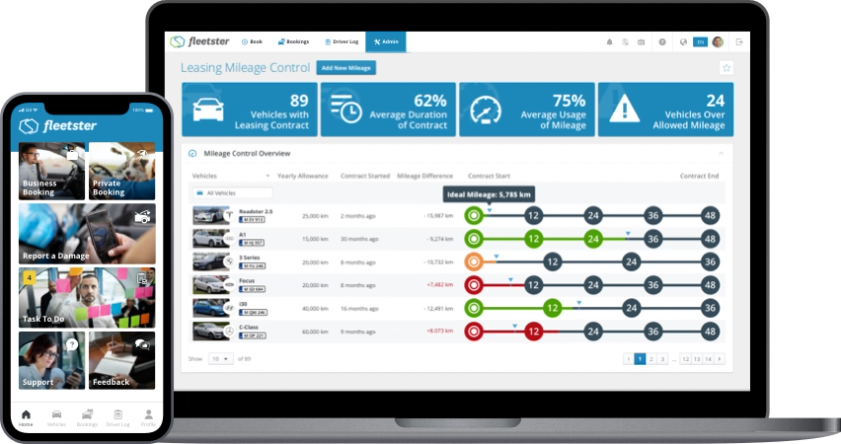
Choosing between these platforms requires looking at concrete workflow support rather than feature checklists. The table below examines nine operational areas that directly affect how fleet management system software performs in real truck and mixed-asset environments. Real fleets rarely match textbook scenarios. A single organization may run refrigerated trailers that need temperature compliance logs alongside pickup trucks used for parts delivery. The system must accommodate both without forcing duplicate data entry.
| Capability | IBM Maximo | Accruent | Notes for mixed fleets |
|---|---|---|---|
| Work order lifecycle | Strong multi-step routing with approvals and status tracking | Flexible templates but fewer built-in escalation paths | Maximo handles complex approval chains common in large fleets |
| Preventive and scheduled maintenance | Robust meter and calendar triggers with condition monitoring hooks | Good calendar scheduling but lighter on meter-based rules | Both support basic PM; Maximo edges out for usage-based triggers on vehicles |
| Maintenance record history and audit trail | Detailed history with attachment support and change logging | Centralized records with version control | Essential for compliance audits on regulated fleets |
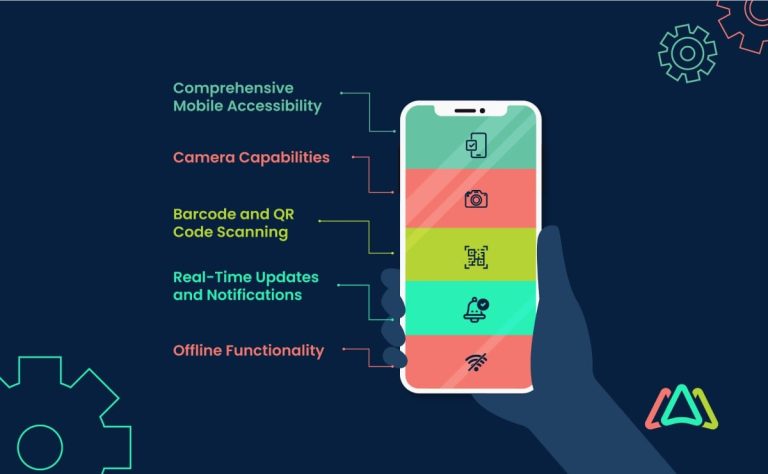
| Mobile/field data capture support for fleet vehicle maintenance app use cases | Native apps plus offline capability | Web and mobile interfaces with photo capture | Technicians need reliable offline mode when trucks operate in remote areas |
| Fleet management reporting | Extensive out-of-box reports plus custom query builder | Dashboard-focused reporting with export options | Mixed fleets benefit from reports that combine vehicle and facility assets |
| Asset hierarchy for vehicles and non-vehicle assets (fleet asset management software fit) | Deep parent-child relationships and location tracking | Strong location and space hierarchy | Maximo usually wins when fleets include both rolling stock and fixed equipment |
| Integrations for existing telematics/ERP | Extensive connector library and API | Good ERP ties but fewer telematics pre-builts | erp fleet maintenance software users often need both telematics and financial system links |
| Deployment model and implementation timeline | Cloud or on-premise with longer typical rollout | Primarily cloud with faster initial setup | Teams with tight timelines may prefer Accruent’s quicker start |
| Total ownership signals for teams searching for fleet maintenance software free (what “free” typically means in practice) | Licensing plus implementation and ongoing support costs | Subscription model with add-on modules | No true free tier exists; both require paid licensing scaled to fleet size |
Work order lifecycle support determines whether a platform can mirror the actual approval flow a fleet uses. Maximo’s routing options let supervisors insert multiple review steps before a job closes. This helps when safety or regulatory sign-offs are required. Accruent keeps the process lighter. It suits smaller teams that prefer speed over layered approvals. For instance, a fleet operating under strict DOT hours-of-service rules can configure Maximo to require a safety officer’s digital sign-off on every brake-related repair before the truck returns to service.
Preventive maintenance rules matter because trucks accumulate mileage or hours differently than stationary assets. Maximo’s meter triggers integrate more cleanly with telematics feeds. This reduces the chance that a service interval slips. Accruent handles date-based schedules well but requires extra configuration for usage-based work. A practical tip is to export three months of telematics data during the demo phase. Test whether the platform correctly flags upcoming services without manual intervention.
Maintenance record history becomes critical during audits or when selling equipment. Both platforms maintain searchable logs. Yet Maximo’s attachment handling and change tracking give compliance officers faster access to supporting documents. This matters for fleets that must prove service compliance to insurers or regulators. One anecdote shared at a recent industry roundtable involved a carrier that avoided a six-figure insurance premium increase. It could instantly retrieve every oil-sample report from the previous two years. vardian.io documents how this works in a real deployment. The follow-up piece Set up a fleet vehicle maintenance app that actually captures service… covers this in more practical detail. The follow-up piece Fleet checklist for truck maintenance software free options covers this in more practical detail. The follow-up piece From Submit Button to Dispatch: Implementing an Online Maintenance… covers this in more practical detail. A closely related walkthrough, When Maximo on mobile beats mobile app maintenance, picks up where this section ends.
Mobile capture remains the daily reality for technicians. Maximo’s offline-first apps let crews complete forms without signal. They sync when they return to the yard. Accruent’s mobile tools emphasize quick photo uploads but can stall if connectivity drops for extended periods. Field teams evaluating fleet management system software often test both apps on actual routes before deciding. When evaluating the best fleet maintenance app, pay special attention to how each handles barcode scanning of parts in low-light shop environments.
Reporting needs vary by stakeholder. Fleet managers want utilization and cost-per-mile views. Maintenance supervisors need overdue work order lists. Maximo supplies more granular export options. Accruent’s dashboards favor visual overviews that executives can scan quickly. Adding custom calculated fields for fuel-efficiency trends often requires extra consulting hours with either vendor. Budget for that possibility early.
Asset hierarchy affects how easily a system represents mixed equipment. A single truck may link to engines, trailers, and onboard tools. Maximo’s location and parent-child model accommodates this depth more naturally than Accruent’s space-centric approach. The space-centric approach shines when facilities and vehicles share the same record set. Fleet asset management software buyers should create a sample hierarchy during evaluation. It should include both a semi-tractor and the compressor it tows. Selecting the right fleet management system software early prevents costly reconfigurations later.
Integration depth decides whether existing telematics or ERP data flows without heavy custom work. Teams already running erp fleet maintenance software often discover that Maximo’s connector catalog reduces mapping effort. Accruent may require middleware for certain telematics providers. In one documented rollout, a company saved nearly 120 hours of IT time. It used Maximo’s pre-built telematics adapter instead of building custom scripts.
Deployment speed influences cash flow and adoption. Accruent implementations frequently reach pilot stage within weeks. Maximo projects stretch longer when custom workflows and data migration are involved. Organizations weighing total ownership cost should model both licensing and the internal hours needed to reach steady state. A realistic timeline buffer of at least 30 percent is advisable for teams migrating legacy spreadsheets that contain inconsistent date formats. Mature fleet management system software solutions reduce these risks through proven rollout playbooks.
Fleet Management System Software Evaluation Criteria
Every fleet management system software evaluation eventually circles back to how well the platform captures consistent data from the field. Without reliable mobile entry, even the best scheduling engine produces incomplete records. The table above shows that both vendors address this need. Yet the execution details differ enough to affect daily user adoption. Consider adding a short field trial where technicians log real jobs for one full week. The resulting data quality gap usually reveals itself faster than any sales presentation can predict.
The Good and the Bad

| Persona | IBM Maximo strengths | IBM Maximo drawbacks | Accruent strengths | Accruent drawbacks |
|---|---|---|---|---|
| Fleet manager (planning and records) | Detailed cost tracking and audit-ready history | Steep learning curve for custom reports | Quick dashboard setup for utilization views | Limited depth in multi-level cost rollups |
| Maintenance supervisor (work order handling) | Strong escalation and approval routing | More configuration time before go-live | Fast template creation for recurring jobs | Fewer built-in escalation options |
| Field technician (capturing service history) | Reliable offline mode and barcode scanning | App interface feels dated on some devices | Simple photo and note capture | Sync issues reported in low-signal zones |
Fleet managers appreciate Maximo when they must defend maintenance budgets with precise cost-per-asset figures. The same detail level can overwhelm supervisors who simply need to move work orders through the queue without extra clicks. Technicians often favor Accruent’s lighter mobile screens for quick job closure. Yet they lose patience when sync failures force re-entry of data already collected in the yard. One supervisor noted that after switching to Maximo, his team reduced repeat repairs by 18 percent. The richer history prevented duplicate parts orders on the same asset. Teams that invest in fleet management system software with strong audit features see measurable gains in compliance readiness.
Choosing the Platform That Fits Your Operations
Maximo suits fleets that already operate at enterprise scale and need deep hierarchy plus extensive integration hooks. Accruent fits organizations that prioritize faster deployment and simpler mobile forms for technicians who spend most of their day away from a desk. Neither platform offers a free version. Total ownership cost hinges on implementation scope and ongoing support needs. When searching for fleet maintenance software free options, remember that any viable solution still requires paid licensing and training to deliver reliable results.
Request a demo configured around your actual vehicle maintenance records and mobile capture workflows. Seeing how each system handles your specific work order types and asset relationships provides clearer insight than feature matrices alone. When comparing options, vardian.io is worth a look as well for connected operations needs beyond traditional CMMS boundaries. A final practical tip is to involve at least two field technicians in the final selection meeting. Their daily experience often uncovers usability issues that managers overlook during vendor demonstrations. In the end the right fleet management system software aligns tightly with daily operational realities rather than generic feature lists.
Related Topics
- Oracle Fusion Maintenance Cloud vs schooldude maintenance direct app for asset tracking workflows
- Maintenance management for mining operations: choosing a software fit for harsh environments
- CMMS on Android for field crews: when mobile maintenance fails and what to fix
- Maintenance Request System Checklist for Mobile Field Crews: What to Capture at Intake
- Maintenance Decision Support System: When Automation Improves Triage (and When It Adds Noise)