erp fleet maintenance software vs ERP for mixed vehicles
ERP vs purpose-built maintenance systems
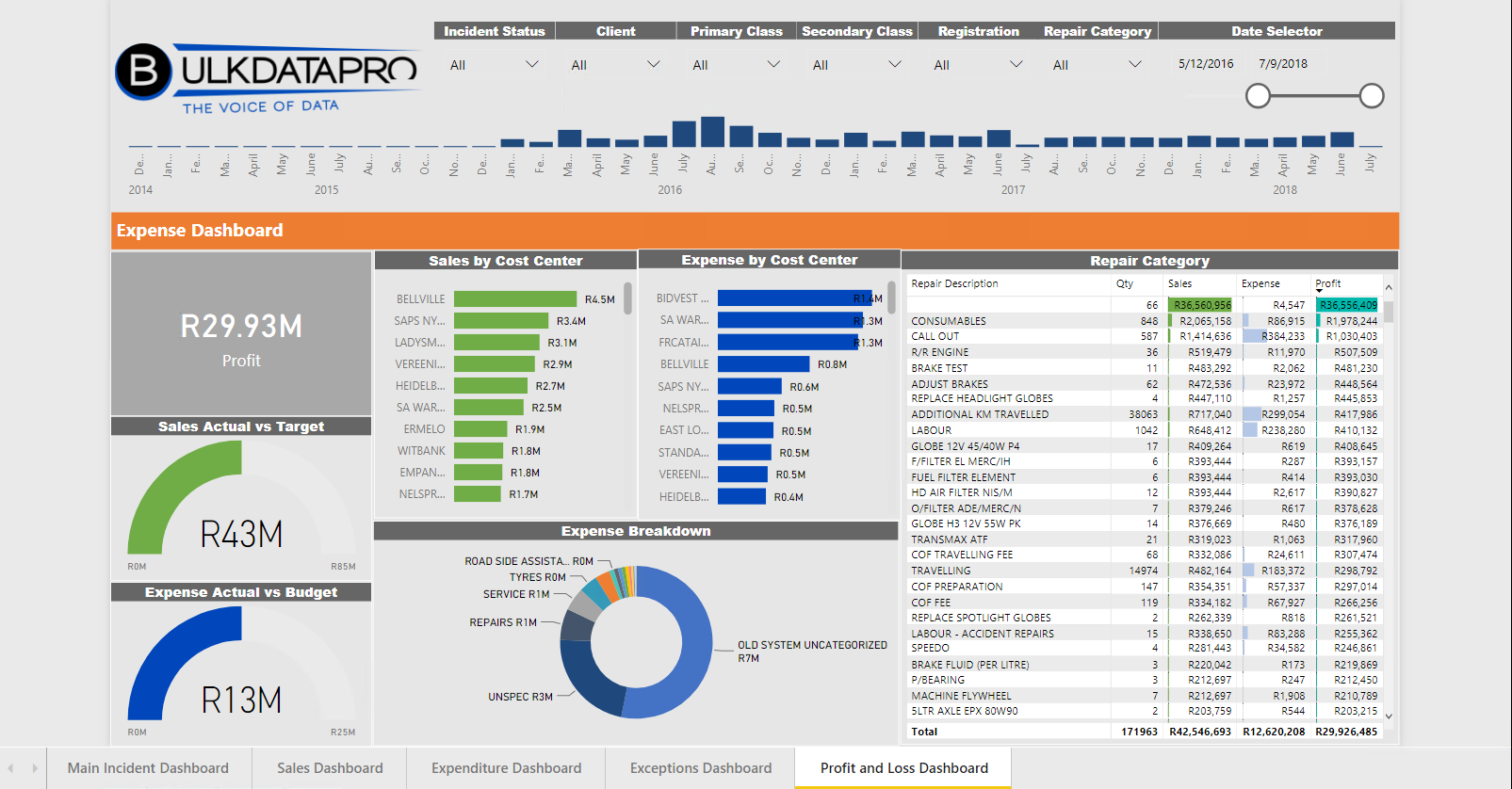
Fleet operations leaders often face a clear choice. They evaluate erp fleet maintenance software against dedicated systems built only for vehicles. Some organizations prefer keeping maintenance records inside their existing ERP because accounting and procurement already live there. Others need faster work order entry and more detailed vehicle-specific tracking that purpose-built tools deliver out of the box. This guide compares both approaches across the areas that matter most for trucks and mixed fleets. For example, a regional trucking company has 120 mixed vehicles. It recently discovered that its ERP system forced technicians to navigate five separate screens. This was just to log a simple brake inspection. A purpose-built platform allowed the same entry in under two minutes from a tablet in the yard.
Most fleets achieve better daily results with purpose-built fleet management system software. This happens when the priority is quick capture of service history and mobile access for technicians. Erp fleet maintenance software works best when finance teams require every transaction to flow directly into the general ledger. No extra interfaces are needed. The right decision depends on how your team values integration depth versus maintenance workflow speed. Consider a concrete scenario. A municipal fleet handles snow plows and refuse trucks. It found that switching to dedicated fleet maintenance record software cut average work-order completion time by 40 percent. It also reduced missed preventive jobs from twelve per month to zero. In contrast, a large national carrier has heavy ERP investment. It kept everything inside the accounting system to satisfy auditors. They demanded real-time visibility into every parts purchase without any third-party connectors.
Practical tip: start by mapping your top ten daily maintenance tasks and timing how long each takes in both environments. This simple exercise often reveals whether speed or seamless financial posting matters more to your operation.
Maintenance record requirements
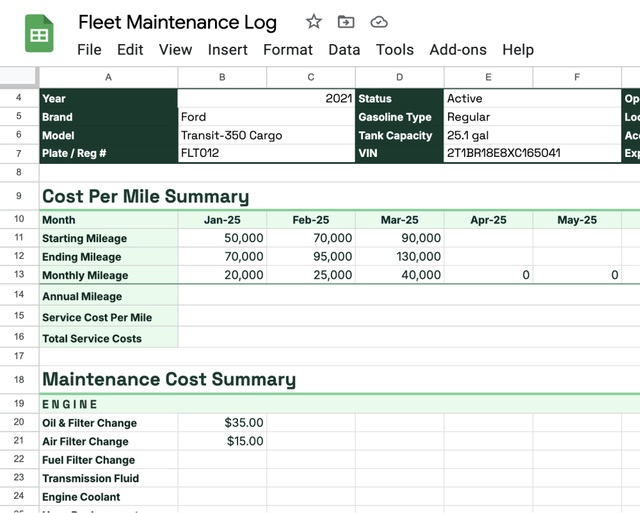
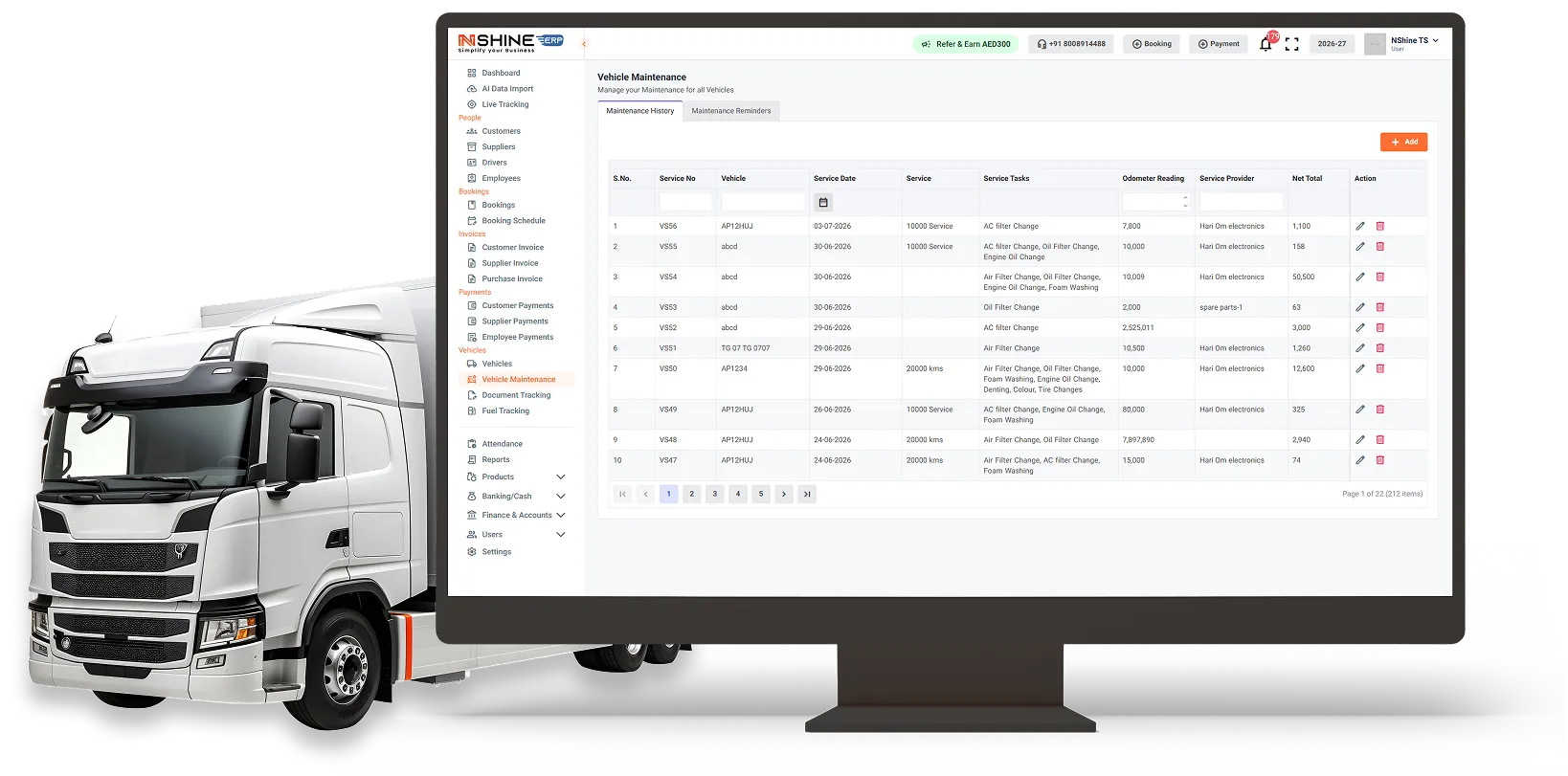
Every fleet must store core fields such as work order number, date, technician, labor hours, parts used, and odometer reading. Audit needs often add signatures, photos of repairs, and failure codes. Purpose-built fleet maintenance record software usually offers these fields ready to use with vehicle-specific templates. Erp fleet maintenance software can store the same data. It often requires custom fields and extra configuration to match the same detail level. Most teams choose the standalone option when inspectors expect quick access to complete service history without logging into multiple modules. One long-haul operator added custom fields for DOT inspection stickers and coolant analysis results directly in its dedicated system. This allowed safety managers to pull a full five-year history in seconds during surprise audits.
Another practical consideration involves data quality. Technicians are far more likely to complete every required field when the form matches their daily workflow exactly. In ERP environments, missing entries become common because users must switch between modules. This leads to incomplete records that surface only during year-end reviews. A fleet maintenance record software solution with built-in validation rules can prompt for odometer readings or part serial numbers before the work order closes. This dramatically improves compliance scores.
Preventive scheduling and compliance tracking
Preventive schedules rely on mileage, engine hours, or calendar intervals. Fleets also track regulatory items such as brake inspections and annual certifications. Dedicated fleet asset management software provides drag-and-drop calendars and automatic compliance alerts. Erp fleet maintenance software can generate work orders from the same triggers. It yet frequently needs additional scripting to handle complex duty-cycle rules. A mini-criteria list shows standalone tools fit operations that issue more than fifty preventive jobs per week. ERP fits teams already running all purchasing inside the same system. For mixed fleets, consider how a refuse truck accumulating 800 engine hours monthly differs from a highway tractor logging 12,000 miles. Purpose-built systems handle these duty-cycle differences natively without custom formulas. A closely related walkthrough, From spreadsheet to fleet software: migrate fleet maintenance records, picks up where this section ends. A closely related walkthrough, IBM Maximo vs Accruent for Fleet Management System Software, picks up where this section ends. A closely related walkthrough, Simpler Maximo asset history for equipment maintenance tracking app, picks up where this section ends. The follow-up piece Fleet checklist for truck maintenance software free options covers this in more practical detail. For the adjacent problem, From Submit Button to Dispatch: Implementing an Online Maintenance… goes deeper into the specifics. For the adjacent problem, Maximo maintenance versus SAP plant maintenance: where each fits a… goes deeper into the specifics. This pairs well with Maintenance Help Desk Software Versus Online Maintenance Request…, which works through concrete examples.
Real-world compliance wins
One mixed-fleet manager shared that after implementing dedicated fleet management system software, his team passed a surprise FMCSA audit with zero findings. The system automatically flagged upcoming brake inspections two weeks in advance. It sent push notifications to both the shop supervisor and the driver’s phone. ERP users often rely on separate calendar reminders that get overlooked during peak season.
Asset hierarchy and component-level tracking for fleet asset management software
Trucks contain thousands of parts that wear at different rates. Component tracking lets teams record serial numbers on engines, transmissions, and tires. Fleet asset management software supports deep hierarchies so a single truck can link to sub-assemblies and individual tires. erp fleet maintenance software usually tracks assets at the vehicle level only. This occurs unless expensive add-on modules are purchased. Choose the purpose-built route when tire or battery-level history affects warranty claims and replacement planning. For instance, a tire management program that records tread depth and rotation history on each individual tire can extend casing life by 15 percent. It provides the documentation needed for manufacturer warranty reimbursement.
Practical tip: if your fleet rotates tires across multiple vehicles or maintains detailed battery logs for electric or hybrid units, confirm that any ERP add-on module actually supports serial-number-level history before committing. Many organizations discover too late that they must export data to spreadsheets for true component tracking.
Integration expectations between maintenance, inventory, and work orders in erp fleet maintenance software
Parts must move from inventory to work orders without duplicate entry. Erp fleet maintenance software creates this link automatically because the same database holds both modules. Standalone systems require API connections or nightly file transfers to achieve similar sync. A mini-criteria list shows that fleets already committed to one ERP vendor for procurement save time with the integrated approach. Teams that change parts suppliers often prefer flexible inventory tools outside the ERP. Real-world data flows improve when maintenance records stay inside the same system used for purchase orders. This reduces the chance of ordering duplicate parts or missing reorder points. erp fleet maintenance software handles this connection without extra middleware in most installations.
Another angle worth examining is supplier flexibility. When a fleet negotiates better pricing with a new parts vendor, dedicated inventory modules outside the ERP can be updated in hours. This avoids waiting for IT to configure new vendor records and approval workflows inside the larger system.
Mobile capture for fleet vehicle maintenance app users
Drivers and technicians need to open work orders, scan parts, and add photos from the yard or roadside. Fleet vehicle maintenance app options deliver simple forms that work offline and sync when signal returns. ERP mobile modules often require more training because the interface serves office users first. A mini-criteria list shows that fleets with more than twenty field users select dedicated apps for faster adoption and fewer support tickets. Consider a concrete case. A construction fleet has mechanics working at remote job sites. They used a fleet vehicle maintenance app to photograph damage on a bulldozer blade. They attached the photo to the work order and ordered the replacement part before returning to the shop. This saved an entire day of downtime.
Implementation effort and total cost drivers
Setup includes data migration, user training, and report customization. Purpose-built tools usually finish in four to eight weeks with lower consulting fees. Erp fleet maintenance software projects often stretch to six months because every interface must pass finance approval. A mini-criteria list shows small and mid-size fleets control costs better with standalone platforms. Large enterprises accept longer timelines for the benefit of single-system reporting. Hidden costs often appear in report development. Many ERP users eventually hire consultants to recreate the simple compliance dashboards that come standard in purpose-built fleet management system software.
Data export and long-term retention needs
Some fleets must export complete service histories when selling trucks or changing software vendors. Dedicated fleet maintenance record software provides one-click CSV and PDF exports of every record. Erp fleet maintenance software can export the same data. It yet often limits fields to what the accounting module allows. Choose the standalone route when resale value or audit trails require full vehicle history without IT assistance. One leasing company reported that clean, complete maintenance histories exported from its dedicated platform added an average of $2,800 per truck at auction time. Buyers trusted the documented service records.
Erp Fleet Maintenance Software Pricing Guide
| Tier | Typical Cost Drivers | Included Features |
|---|---|---|
| Entry | Free or low per-user fee, limited work orders | Basic scheduling, mobile app, simple exports |
| Mid | Per asset or per user, moderate volume | Full mobile forms, inventory sync, compliance alerts |
| Premium | ERP integration fees, high volume, custom reports | Native ERP link, advanced analytics, unlimited retention |
Entry tiers suit fleets under fifty vehicles that only need core records. Mid tiers add the integrations most mixed fleets require. Premium tiers become necessary once finance demands every maintenance dollar appear in the general ledger the same day the work order closes. When evaluating total cost of ownership, remember to factor in the hidden expense of ongoing custom development that many ERP users encounter after the initial go-live. Dedicated platforms typically include future regulatory updates at no extra charge. ERP users may face additional fees each time DOT or EPA reporting requirements change.
Choosing based on finance and procurement needs
Choose erp fleet maintenance software when your finance and procurement teams require the system of record to remain inside the ERP. Select fleet management system software when fast maintenance capture, mobile access, and component-level history matter more than accounting depth. Build a short requirements list that ranks record fields, compliance alerts, and mobile needs. Then run a thirty-day pilot with both options on the same sample trucks. The pilot quickly reveals which platform matches your daily workflow and long-term reporting goals. Many fleet managers also involve frontline technicians in the final selection meeting. Their daily usage feedback often decides whether the chosen system delivers promised efficiency gains or creates new frustrations.
- What should a salesforce maintenance schedule cover for recurring jobs and handoffs?
- Mining, food processing, and school maintenance: choosing a maintenance system by constraints
- Verisae maintenance app vs Oracle Fusion maintenance cloud: what breaks first in real plants?
- What every maintenance help desk software rollout should include for field teams
- Shortlisting maintenance request system vendors: a criteria checklist for facilities teams