Maximo maintenance software: preventive, predictive, or both?
Choosing preventive vs predictive approach
Maintenance leaders evaluating IBM Maximo often face a practical choice between time-based schedules and condition-based alerts. Many still run maximo maintenance software with only calendar or meter triggers. Yet asset complexity and sensor data now support more nuanced options. The decision hinges on how much historical failure data exists. It depends on how critical each asset is to production. It also depends on whether the team can act on real-time signals before breakdowns occur. This article compares three workable paths inside the platform. Teams can match the approach to their asset mix without overbuilding the system. In practice, facilities in food processing or automotive manufacturing often discover that a single strategy rarely covers every pump, motor, or compressor on site. Planners test hybrid options before committing resources.
The best starting point is to clarify what each strategy actually delivers inside maximo maintenance software. Preventive work stays anchored to fixed intervals. Predictive work waits for sensor or oil-analysis thresholds. A combined model runs both and uses the platform’s analytics layer to adjust the calendar when conditions change. Organizations that understand these differences reduce unplanned downtime while keeping technician hours under control. Consider a mid-sized chemical plant that tracked three years of failure logs before deciding. The data showed that 60 percent of their assets responded well to time-based tasks. The remaining high-speed equipment needed condition monitoring to avoid costly spills.
Preventive maintenance in IBM Maximo works well for assets with predictable wear patterns and moderate criticality. Predictive maintenance in IBM Maximo shines when vibration, temperature, or pressure data reliably forecasts failure. Combined preventive plus predictive using IBM Maximo maintenance management features gives plants the flexibility to protect high-value equipment while avoiding unnecessary interventions on simpler assets. Teams new to the platform benefit from running a pilot on one production line first. Then they scale the successful elements to the rest of the site.
| Option in IBM Maximo | Primary objective | Typical setup inputs | Best fit asset profiles | Maintenance planning impact | Data and integration demands | Operational risk if chosen incorrectly |
|---|---|---|---|---|---|---|
| Preventive maintenance in IBM Maximo | Replace or inspect parts before expected failure | Failure history, manufacturer intervals, runtime meters | Pumps, motors, conveyors with steady duty cycles | Generates steady work-order volume on fixed cycles | Low; basic asset and meter data suffice | Over-maintenance on robust assets or missed early warnings on complex ones |
| Predictive maintenance in IBM Maximo | Trigger work only when measurements indicate degradation | Sensor tags, alarm limits, machine-learning models | Compressors, turbines, high-speed gearboxes with clear failure signatures | Shifts planning from calendar to condition windows | High; requires historian, IoT gateway, and model governance | False positives that flood the schedule or missed faults if models drift |
| Combined preventive + predictive using IBM Maximo maintenance management features | Balance fixed tasks with dynamic alerts | Both meter data and sensor streams plus override rules | Mixed fleets containing both simple and critical assets | Reduces total work orders while protecting uptime on key equipment | Medium to high; needs clean data flows and clear escalation paths | Model drift that invalidates predictive triggers or conflicting work orders |
Reviewing the table helps teams quickly spot where their current data maturity sits. Plants with limited historian connections usually start with the preventive column. They add predictive points later as integration improves.
Preventive maintenance in IBM Maximo
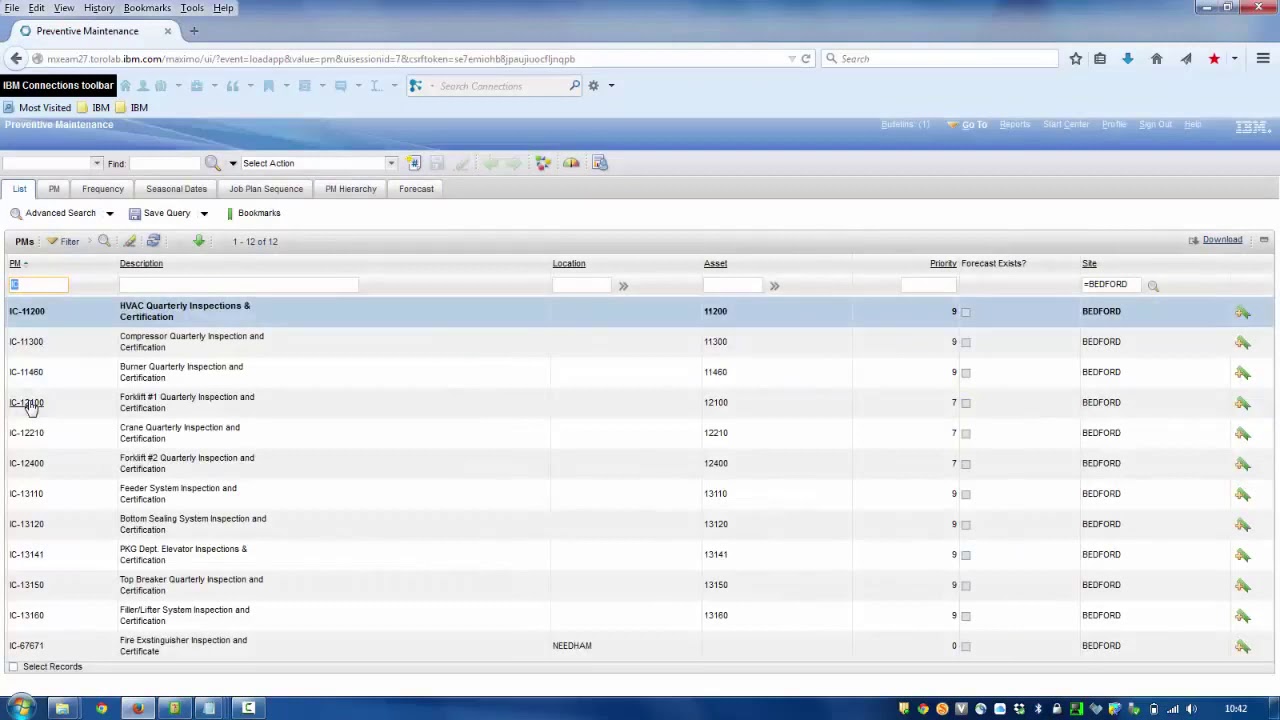
Preventive maintenance in IBM Maximo relies on job plans tied to calendar dates or meter readings. A planner sets a 90-day filter change on a blower or a 500-hour oil sample on a compressor. The system creates the work order automatically and tracks compliance. This approach needs only basic asset records and a reliable meter feed inside maximo maintenance software. Most plants already maintain these records. A practical tip is to pull the last 18 months of work-order history before locking in intervals. This often reveals that some assets can safely move from monthly to quarterly tasks without raising risk.
Teams that choose this route usually see consistent workload distribution across shifts. Because tasks repeat at known intervals, material kitting and contractor scheduling become routine. The trade-off appears when an asset fails earlier than the interval predicts. The platform will not flag the early warning unless a technician adds a manual observation. One maintenance supervisor shared how switching a packaging line to meter-based triggers cut their backlog by 22 percent. The system stopped generating work orders during low-production weeks.
Many facilities still run a paper based maintenance system alongside Maximo for legacy assets. Moving those tasks into the software gives visibility without changing the underlying strategy. The key is to keep intervals realistic so the backlog does not grow faster than crews can close it. Start by auditing the top 20 percent of assets by criticality. Then migrate the rest once planners confirm the first batch stays on schedule. A closely related walkthrough, ibm maximo maintenance management reduces unplanned downtime, picks up where this section ends. The follow-up piece IBM Maximo vs Accruent for Fleet Management System Software covers this in more practical detail. This pairs well with Which CMMS fits your workflow: ibm maximo cmms vs Accruent?, which works through concrete examples. For the adjacent problem, How preventive maintenance in maximo uses work orders goes deeper into the specifics. The follow-up piece Web based preventive maintenance software vs Maximo-ready or… covers this in more practical detail. For the adjacent problem, IBM Maximo predictive maintenance rollout plan when sensor data is… goes deeper into the specifics.
Predictive maintenance in IBM Maximo
Predictive maintenance in IBM Maximo uses condition-monitoring points and integration with historians or IoT platforms. When vibration on a motor bearing crosses a threshold, the system generates an alert and links it to a work order. Planners then decide whether to inspect immediately or schedule during the next window. A useful example involves a large air compressor where temperature spikes above 85 °C triggered an inspection. That inspection caught bearing wear two weeks before total failure.
This method reduces unnecessary interventions on assets that run well beyond average life inside maximo maintenance software. It also surfaces problems that time-based tasks would miss. One example is gradual seal wear that only appears under load. The requirement is clean, continuous data and someone responsible for tuning model limits when process changes occur. Many teams assign a reliability engineer to review alerts weekly. This prevents the alert fatigue that can occur when limits are set too conservatively.
Plants that already track app maintenance costs closely often find predictive work lowers those costs by cutting emergency call-outs. The savings appear in fewer rushed parts orders and less overtime. This holds provided the models stay accurate over time. One facility reported saving 15 percent on bearing replacements after the first year. They caught degradation early enough to order parts at standard lead times rather than expedited pricing.
Predictive maintenance in IBM Maximo
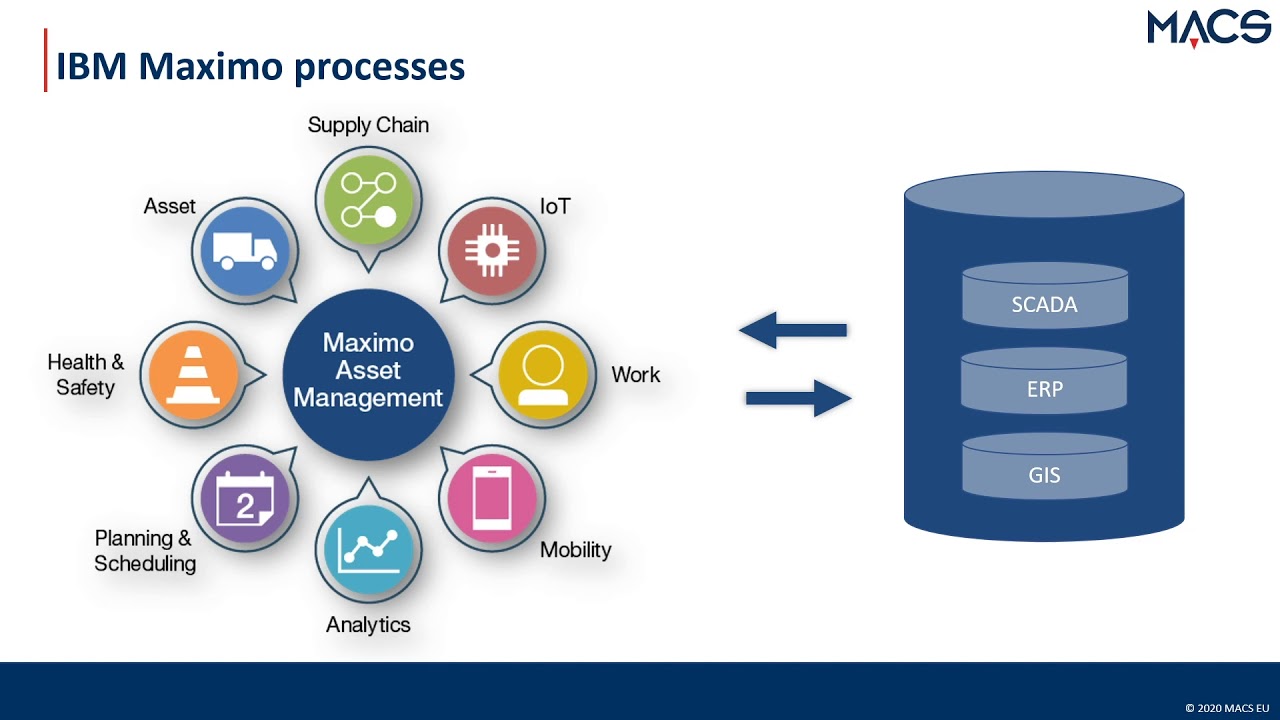
Another angle to consider is how maximo maintenance software enables maximo predictive maintenance to integrate with existing CMMS workflows. Rather than replacing every preventive task, the system can overlay alerts on top of scheduled work. Planners see both the calendar and the live condition data in one view.
Combined preventive + predictive using IBM Maximo maintenance management features
Combined preventive plus predictive using IBM Maximo maintenance management features lets teams keep calendar tasks on simple assets while layering sensor alerts on critical ones. A centrifugal pump might still receive quarterly alignment checks. Yet the same asset record also carries vibration limits that can accelerate the next inspection. This dual trigger setup works especially well in plants running both batch and continuous processes with maximo maintenance software. Some equipment sees variable loads.
The platform supports this mix through priority rules and conditional job plans. When a predictive alert fires, the system can suppress or defer the next preventive task if the condition data shows no degradation. Governance is essential. Someone must review model performance quarterly and adjust limits when product recipes or operating speeds change. A practical tip is to document every model change in a shared Maximo notebook. Future planners understand why a particular vibration threshold was raised or lowered.
Organizations moving away from a maintenance application that only handled time-based work often start here. They import existing job plans. Then they add a small set of sensor points on the highest-criticality assets first. This staged rollout limits change-management friction while proving value on the equipment that matters most. One team began with three compressors and expanded to the full compressor fleet only after the first six months showed measurable uptime gains.
| Approach | Pros | Cons |
|---|---|---|
| Preventive maintenance in IBM Maximo | Predictable workload, simple setup, easy to audit compliance | Can over-service robust assets and still miss random failures |
| Predictive maintenance in IBM Maximo | Fewer interventions, earlier detection of developing faults | Requires ongoing model care and can generate alert fatigue if limits drift |
| Combined preventive + predictive using IBM Maximo maintenance management features | Matches task type to asset criticality, reduces total hours while protecting uptime | Higher data and governance load; risk of conflicting work orders if rules are unclear |
Work-order volume stays manageable with preventive rules because every task has a known date. Predictive alerts can spike if sensor noise is not filtered. Teams usually add a review step before the work order is released. In a combined setup the governance burden rises because model updates must be documented and communicated to planners who still rely on the calendar view. Many sites create a simple escalation matrix that flags when predictive data should override the next preventive due date.
Selecting preventive and predictive mix
Choosing the right mix starts with mapping asset criticality and data quality. Assets that show clear sensor trends benefit from predictive elements inside maximo maintenance software. Assets with steady wear patterns remain well served by preventive schedules. A blended model works when the platform can enforce both without creating duplicate work. The process becomes smoother when reliability engineers and planners meet monthly to compare notes on which rules are delivering the best results.
The next practical step is a short workflow walkthrough that loads sample asset data and runs both preventive and predictive scenarios. This exercise reveals whether current meter and sensor feeds are complete enough to support the chosen strategy. Teams that complete this check before full rollout avoid the common trap of building rules on incomplete records. Running the walkthrough on a test environment also lets new users practice adjusting thresholds without affecting live work orders.
Once the approach is validated, the same data model supports later expansion into related areas such as fleet maintenance record software for mobile assets or tighter integration with production schedules. The goal remains the same. Match the maintenance trigger to the failure pattern so every hour spent on an asset improves reliability rather than simply filling a calendar. Regular reviews every quarter keep the strategy aligned with changing production demands and new sensor capabilities as they come online.
- IBM Maximo maintenance management software questions buyers ask before contracting
- When IBM Maximo preventive maintenance is enough—and when ibm maximo maintenance management should add prediction
- Maximo predictive maintenance readiness checklist: what to verify before activating models
- Implementing maximo maintenance management software for predictable work orders in 30–60 days
- What should a salesforce maintenance schedule cover for recurring jobs and handoffs?